Learning to Trust the Edit: My Experience with the Bothersome Words Writing Clinic
Taking part in the Bothersome Words Writing Clinic transformed the way I approach revision. The experience gave me practical tools to assess structure, dialogue, point of view and prose with greater clarity, while detailed feedback on The Mask of Memphis strengthened my confidence in both my writing and my ability to self-edit as an independent author.
Between March and April 2025, I took part in Abigail Nathan’s Bothersome Words Writing Clinic. I enrolled because I wanted to strengthen my editing skills, become more objective when reviewing my own manuscripts and develop greater confidence in the decisions I make as a self-published writer.
The experience improved my writing far more than I expected. I intended to write a post much sooner than this but the impact of the clinic on my craft has taken a while to fully realise itself in my work.
As an independent author, I am responsible for almost every stage of producing a book. I am not only the person who creates the characters, world and story; I am also the first developmental editor, structural editor, copyeditor and proofreader to examine the manuscript. I also work on the art and design of the final copy.
Professional editing remains an important part of publishing, but a writer still needs to deliver the strongest manuscript they can. I wanted to become better at identifying problems before passing my work to someone else. More importantly, I wanted to understand why something was not working and know what I could do to improve it.
The clinic gave me a much clearer process for doing exactly that.
Moving Beyond Instinct
Before the clinic, I often edited instinctively. I could usually sense when a sentence, scene or chapter was not quite right, but identifying the precise problem was more difficult.
Was the scene too slow?
Was I repeating information?
Was the dialogue carrying enough tension?
Was I explaining something the reader already understood?
Was the point of view consistent?
Was I overwriting, or did the scene genuinely need more detail?
The clinic helped me replace that uncertainty with practical editorial knowledge. Instead of simply thinking, Something feels wrong here, I became better at asking targeted questions about structure, viewpoint, dialogue, character development, repetition, pacing and prose.
That shift has been enormously valuable.
Editing no longer feels like repeatedly reading a manuscript and hoping the problem reveals itself. I now approach it as a deliberate process, examining the story at different levels and looking for specific issues during each pass.
Looking at the Whole Manuscript
One of the most useful aspects of the clinic was learning to think beyond individual sentences.
Writers can spend an extraordinary amount of time polishing a paragraph that may eventually need to be removed. Beautiful prose cannot solve a structural problem, and a perfectly edited scene will not help if the scene does not contribute enough to the story.
The clinic encouraged us to step back and examine the manuscript as a whole. We explored structure, plot, chapter and scene length, transitions, cliffhangers, themes and storyboarding.
This gave me a stronger framework for assessing whether each chapter has a clear purpose.
What changes during the scene?
What does the character learn?
How does the scene move the mystery or central conflict forward?
What question encourages the reader to continue?
Does the scene deepen character, advance the plot or ideally achieve both?
These questions have become an important part of the way I edit my work.
Strengthening Dialogue and Prose
We also examined the details that shape the reader’s experience at sentence level: dialogue punctuation, action beats, realistic speech, passive voice, clichés, modifiers, repetition, filter words, participles, adjectives and adverbs.
None of these elements exists in isolation. The point is not to remove every adverb or treat every repeated word as a mistake. It is to recognise when language is weakening a scene rather than strengthening it.
I became more aware of the places where prose can become unnecessarily crowded. I learned to look for moments where an action has been explained twice, where dialogue is carrying information unnaturally or where a sentence is distancing the reader from the viewpoint character.
The clinic also improved my understanding of scene choreography. When characters move through a room, handle objects, speak and react, the sequence needs to remain clear. Readers should not have to stop and mentally reposition everyone because the physical action has become confusing.
These may sound like small details, but together they determine whether a scene feels immediate and effortless or awkward and difficult to follow.
Seeing My Work Through an Editor’s Eyes
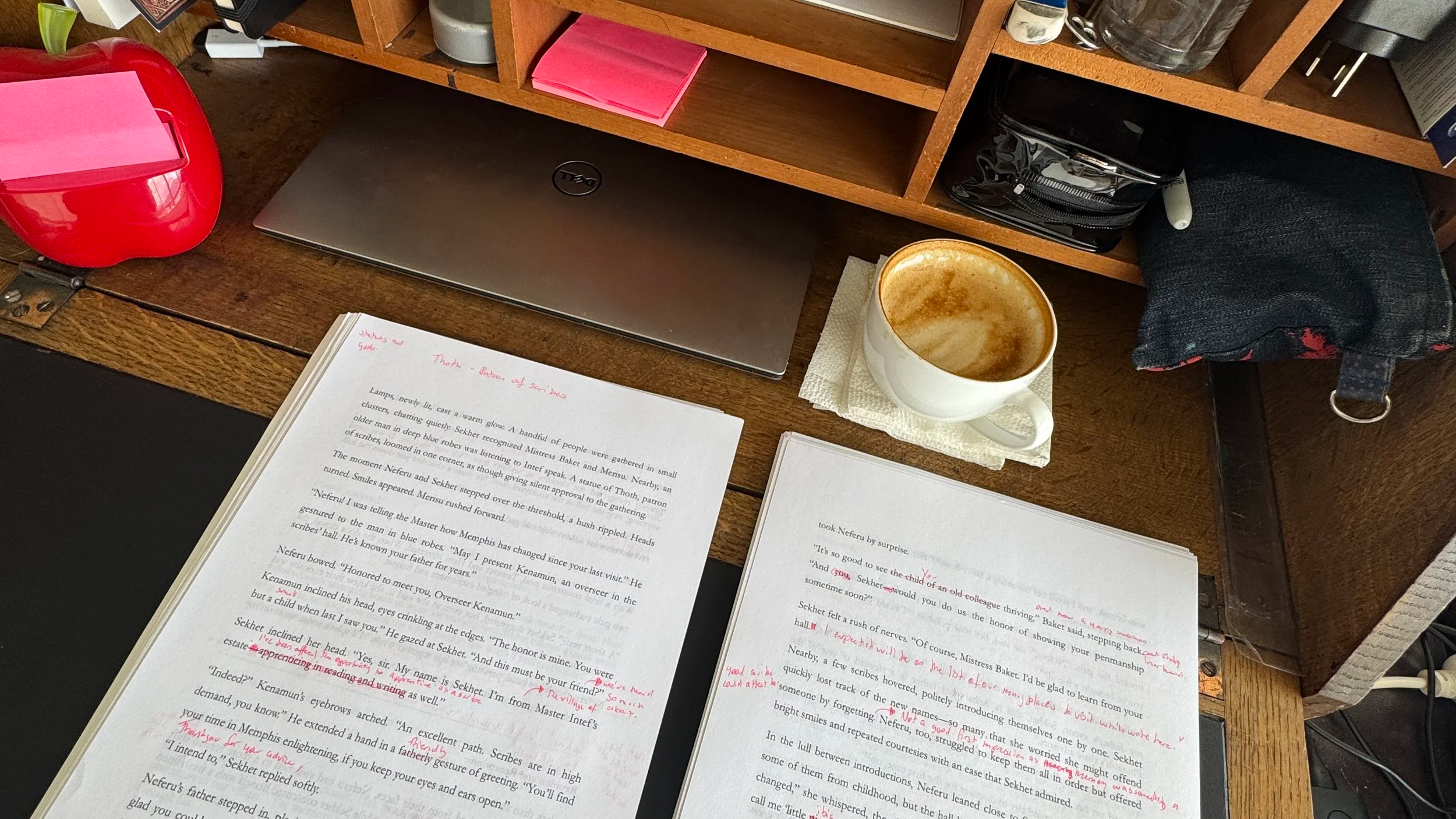
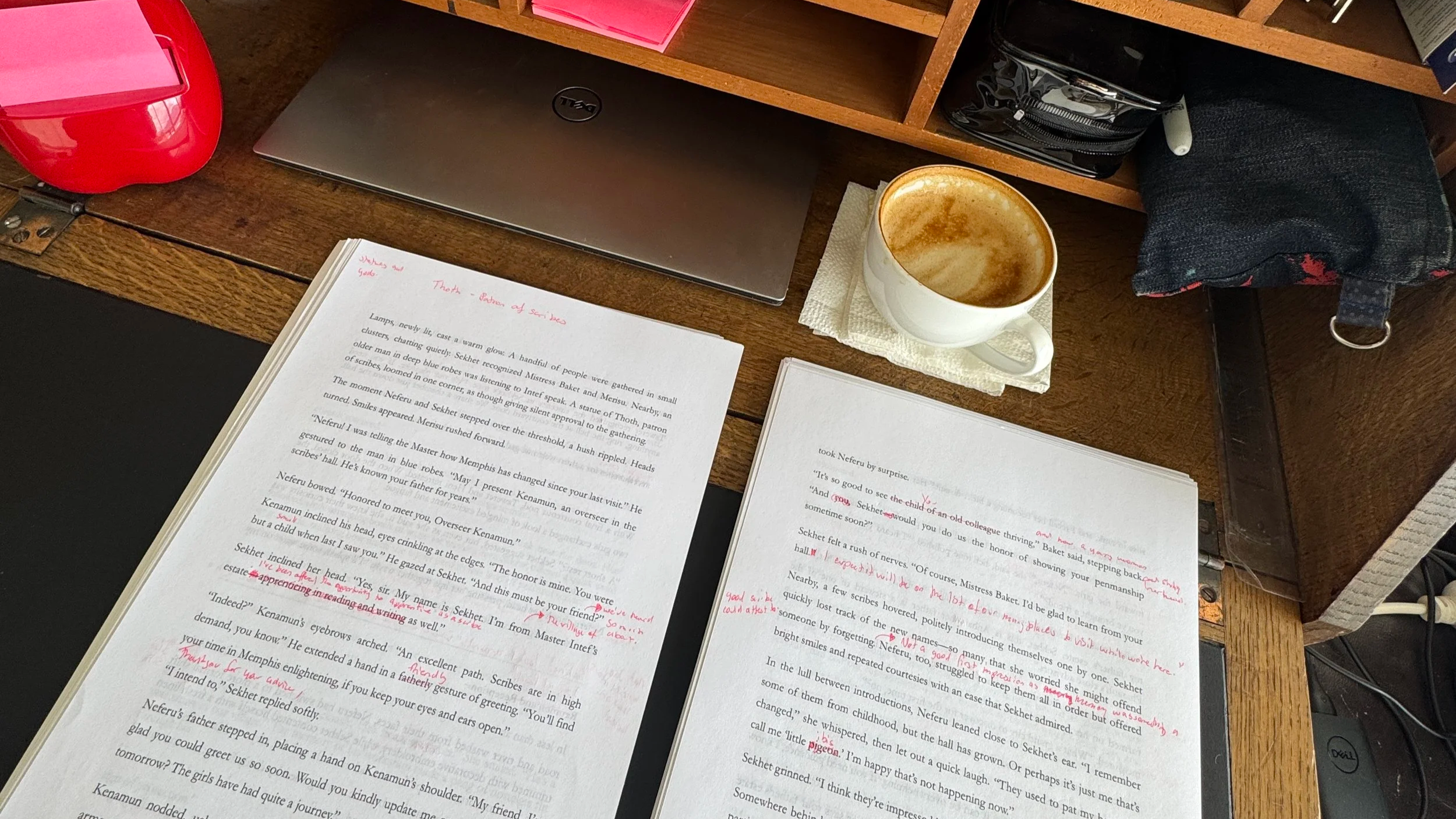
For the clinic assessment, I submitted an extract from Chapter Four of The Mask of Memphis, the second novel in my Lost Relics Mysteries series.
Abigail provided both written notes and a marked-up copy of the extract. She approached it from the perspective of an editor looking for ways to tighten and polish the manuscript, while also considering how an agent might respond to the pages as a submission.
Receiving detailed feedback on a manuscript can feel intimidating, particularly when you have spent a long time working alone. However, the assessment became one of the most confidence-building parts of the experience.
Abigail’s overall response was extremely positive. She found the writing clear, evocative and easy to follow, even though she was reading an extract without the full context of the manuscript. Most of the changes she identified were at copyediting level rather than indications that the chapter required major reconstruction.
Her most valuable developmental suggestion was that I make some of the characters’ discoveries more specific.
In the chapter, Sekhet is researching in the Memphis archives while Neferu observes a political meeting involving the Pharaoh’s scribe. Abigail encouraged me to show more precisely what Sekhet reads and learns, and what Neferu notices during the meeting.
This was not about adding information for its own sake. The details needed to reveal something meaningful about the characters, contribute to their development and connect more clearly to the mystery.
That distinction has stayed with me.
Specificity strengthens fiction. A character should not simply research, observe or learn. The reader needs to experience the significant detail with them and understand why it matters.
A Better Understanding of Point of View
The assessment also highlighted places where the narration revealed information that the viewpoint characters did not know - for example, stating that characters were unaware of being watched.
This prompted me to examine how narrative information is controlled throughout the manuscript.
A sentence may sound dramatic, but it also establishes a relationship between the narrator, the characters and the reader. If the story generally follows a close viewpoint, suddenly revealing something outside the character’s awareness can feel inconsistent unless that broader narrative approach has already been established.
I now pay much closer attention to what the viewpoint character can see, hear, know, assume and interpret within a scene.
This has made my writing more immediate and has helped me maintain stronger control over suspense.
Becoming a More Capable Self-Editor
The greatest change has been in how I approach revision.
I am now much more likely to separate editing into purposeful stages rather than trying to fix every possible problem at once.
I can begin with the manuscript’s structure and character arcs before moving into scene-level questions. I can examine dialogue separately from description. I can search for repeated language, filter words or unnecessary explanation without becoming distracted by larger story decisions.
This makes the process both more efficient and less overwhelming.
It has also made it easier to accept that editing is not evidence that the original writing failed. Revision is where much of the real craft takes place. The first draft discovers the story; editing makes that story clearer, stronger and more intentional.
Greater Confidence as a Self-Published Writer
Self-publishing requires confidence, but it also requires humility.
You need enough confidence to make decisions about your own work, while remaining willing to question those decisions and seek informed feedback.
Before completing the clinic, I sometimes worried that I might be missing major problems simply because I was too close to the manuscript. That concern has not disappeared entirely - and perhaps it should not - but I now have far more confidence in my ability to assess my own writing.
I understand more clearly what I am looking for.
I have a stronger vocabulary for describing problems.
I can distinguish between a personal preference and a genuine issue with clarity, consistency or structure.
I am also more confident about the things that are working.
That final point matters. Self-editing is not only about discovering faults. It is also about recognising the strengths of a manuscript and protecting them during revision.
Abigail’s feedback confirmed that the atmosphere, setting and clarity I had worked hard to create in The Mask of Memphis were reaching the reader. Her suggestions then showed me where a small number of carefully chosen details could make the chapter even stronger.
The Value of Learning the Craft
The live clinic sessions ran on Wednesday evenings and were supported by weekly recordings, worksheets, resources and a private forum where participants could discuss lessons, ask questions and workshop their writing.
The combination of structured lessons, practical exercises, manuscript discussion and individual feedback made the clinic particularly valuable.
It did not give me a rigid list of rules to apply mechanically. Instead, it gave me a better understanding of the choices writers make and the effects those choices have on readers.
That knowledge has carried into every project I have worked on since.
I still expect to make mistakes. I still know there will be things another editor notices that I do not. That is part of writing and publishing.
But I no longer approach self-editing with the same uncertainty.
I approach it with a process.
I approach it with sharper questions.
Most importantly, I approach it with far greater trust in my own ability to shape a manuscript into the story I intended to tell.
An Unexpected Journey: Turning The Whispering Amulet into a Webtoon
If you've followed my journey for a while, you'll know I've never really fit neatly into one box. I've always been an artist and a writer, and The Whispering Amulet actually began life as a manuscript I wrote as a teenager. Since then, I've studied Contemporary Arts, gone on to teach Media Arts and Visual Arts, and built a career as a software engineer. Looking back, each chapter has shaped the next, and adapting The Whispering Amulet into a Webtoon feels like the first time I've been able to bring all of those passions together in one project.
It's been a little while since I closed the drawer on my writing desk, gave some updates on The Lost Relics Mysteries, and got excited enough to write here, so in a development that should come as no surprise, I couldn’t stay away from my stories for long - finally it’s time to share what I've been working on behind the scenes.
When I wrote the novel, I always had a very clear picture of Ancient Egypt in my mind. Every courtyard, every temple, every hidden passage beneath the estate already existed visually before I wrote the words. As both an author and an artist, I naturally think in pictures as much as prose, so adapting the story into a Webtoon feels less like creating something new and more like revealing the version that has always existed in my imagination.
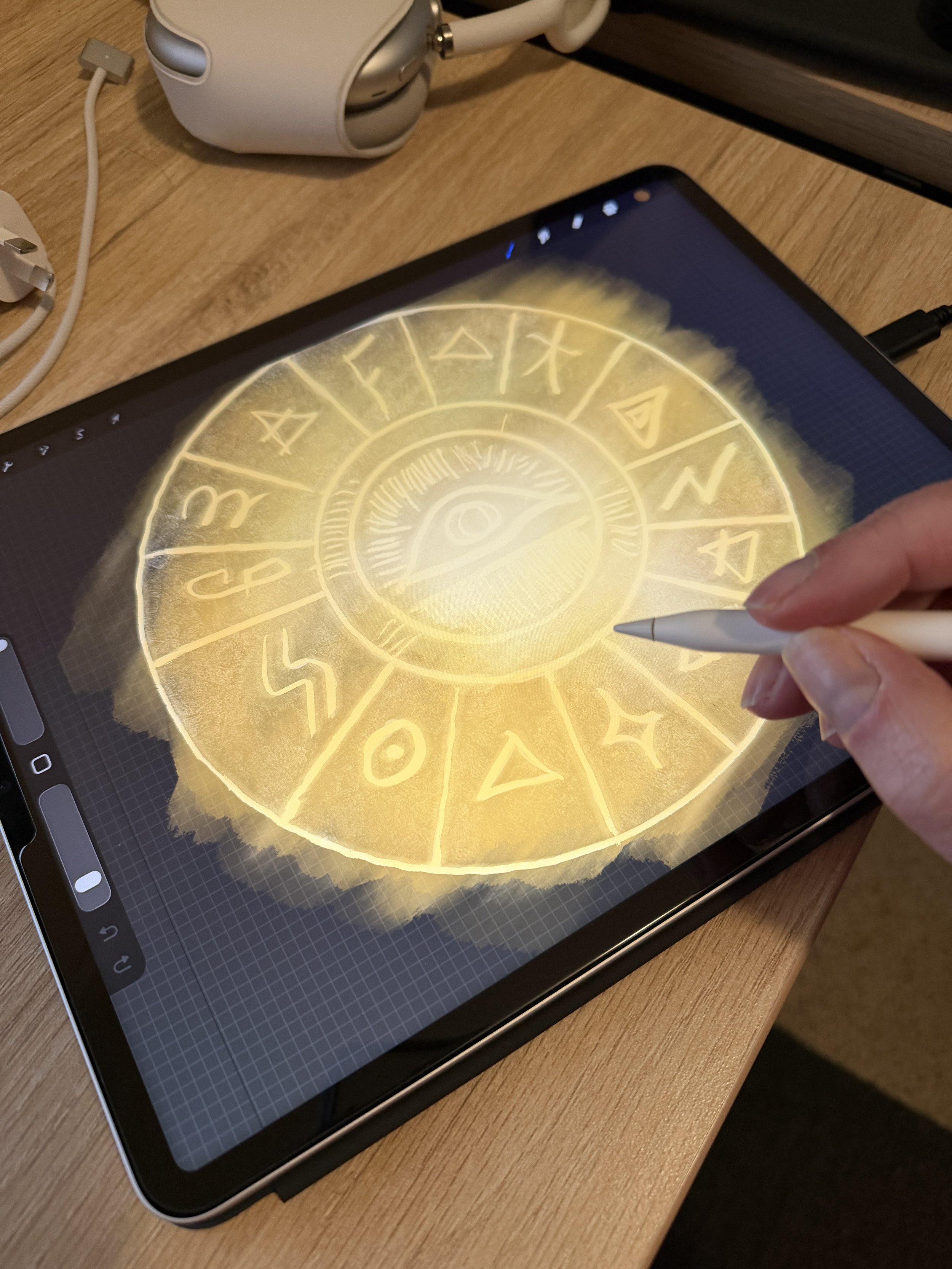
My workspace: drawing on the iPad, concept art from ‘The Whispering Amulet’ .
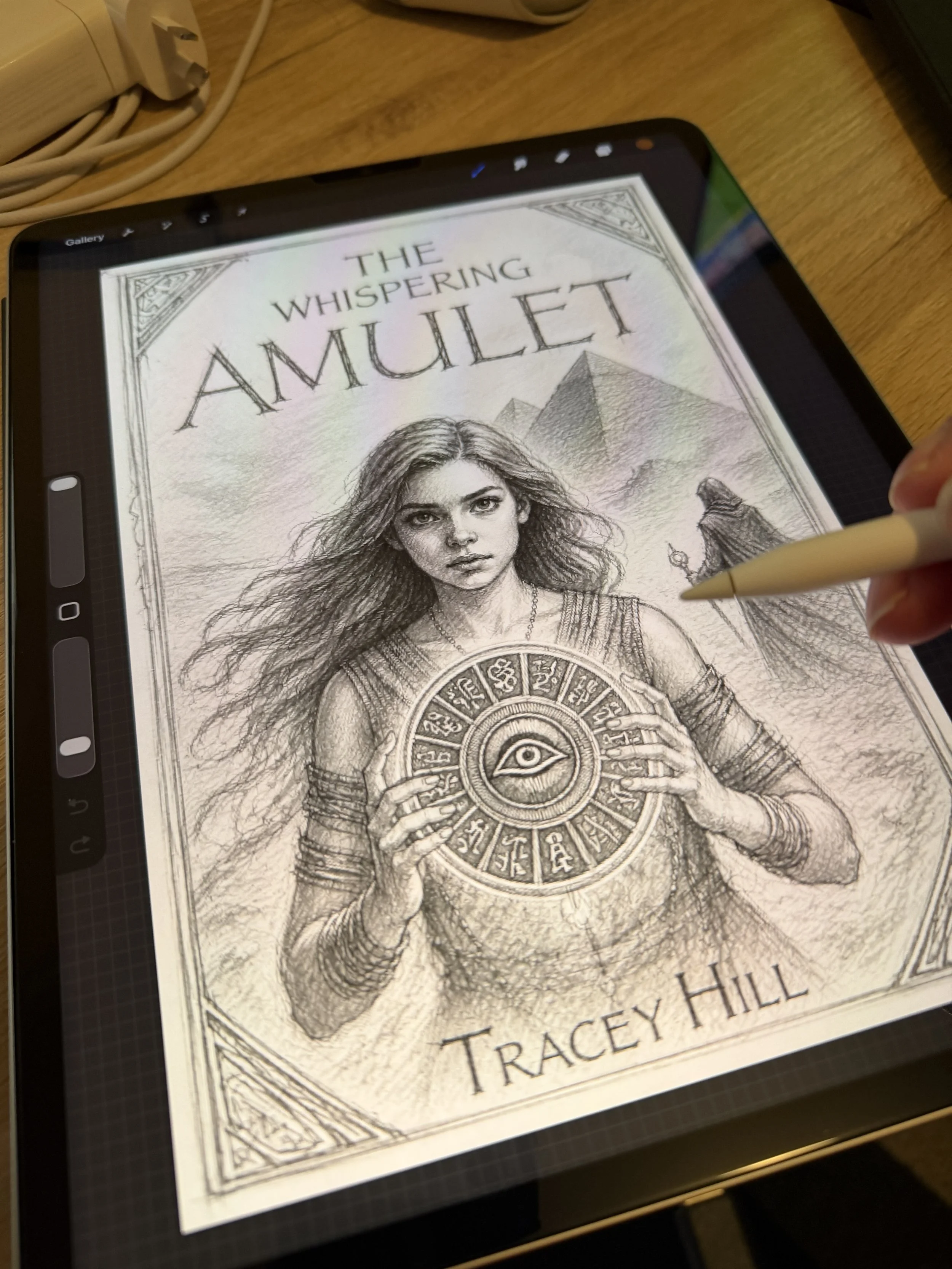
Refined image for the cover. in contrast to the simplified webtoon image.
I've always considered myself both an artist and a writer. Long before I became a software engineer, I was filling sketchbooks and writing stories—The Whispering Amulet itself was first drafted when I was a teenager. Those creative interests eventually led me to formal study, completing a Bachelor of Contemporary Arts followed by a Master of Teaching specialising in Media Arts and Visual Arts. Alongside that, I built a career in software engineering. While those paths might seem quite different, they've always complemented one another, each influencing the way I approach creativity, problem-solving and storytelling.
Creating a Webtoon feels like bringing all of those experiences together.
Writing the novel gave me the story.
My arts background provides the visual language to tell it.
My software engineering background has unexpectedly influenced how I create it.
Learning the Webtoon Workflow
Although I've worked digitally for years, sequential storytelling is its own discipline.
Unlike illustrating a single scene, a Webtoon is about rhythm, pacing and emotion. Every panel needs to guide the reader naturally down the page while conveying movement, atmosphere and character. A paragraph in the novel might become half a dozen carefully composed panels, each revealing just enough to keep the story flowing.
I've spent the last few months refining a workflow that lets me move efficiently between planning, sketching and production.
I switch between Procreate and Photoshop as my iPad has become my digital sketchbook. It's where character expressions are explored, costumes evolve, and rough environments begin to take shape.
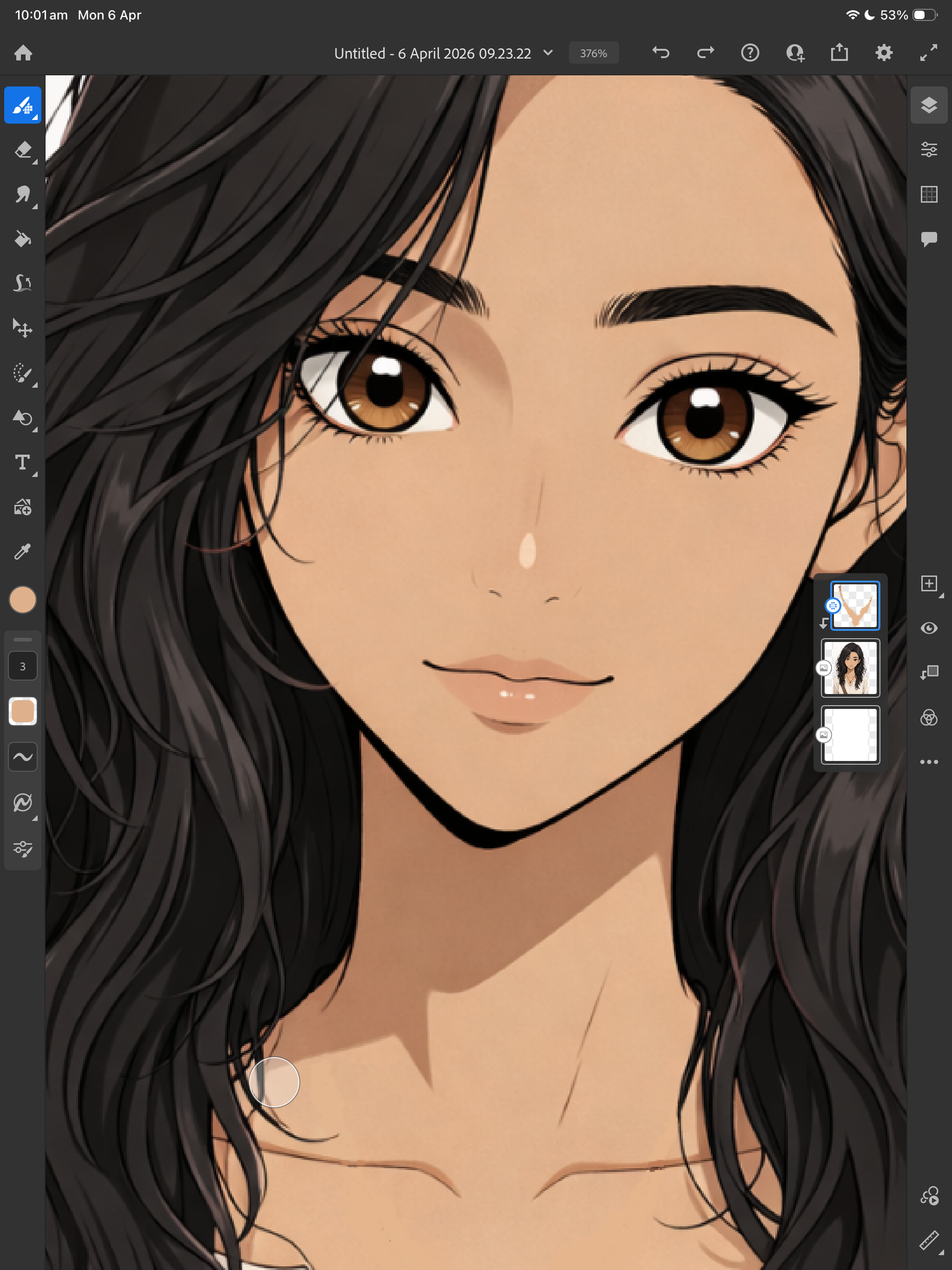
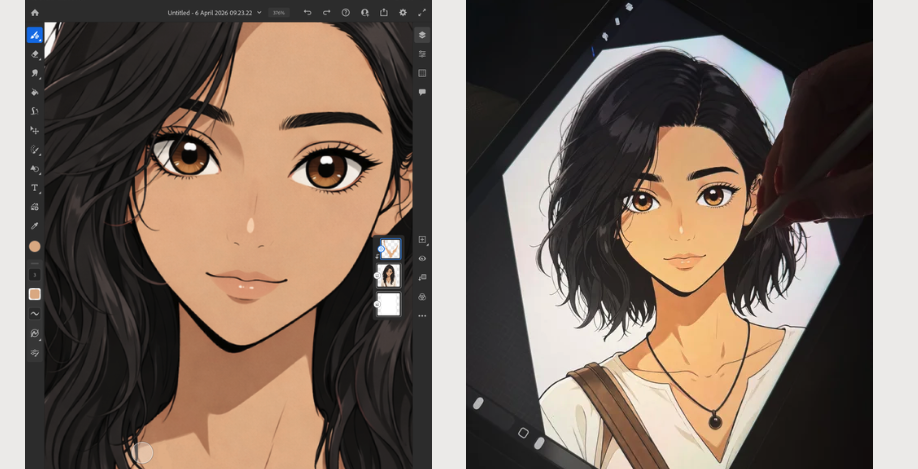
Sekhet in ‘The Whispering Amulet’.
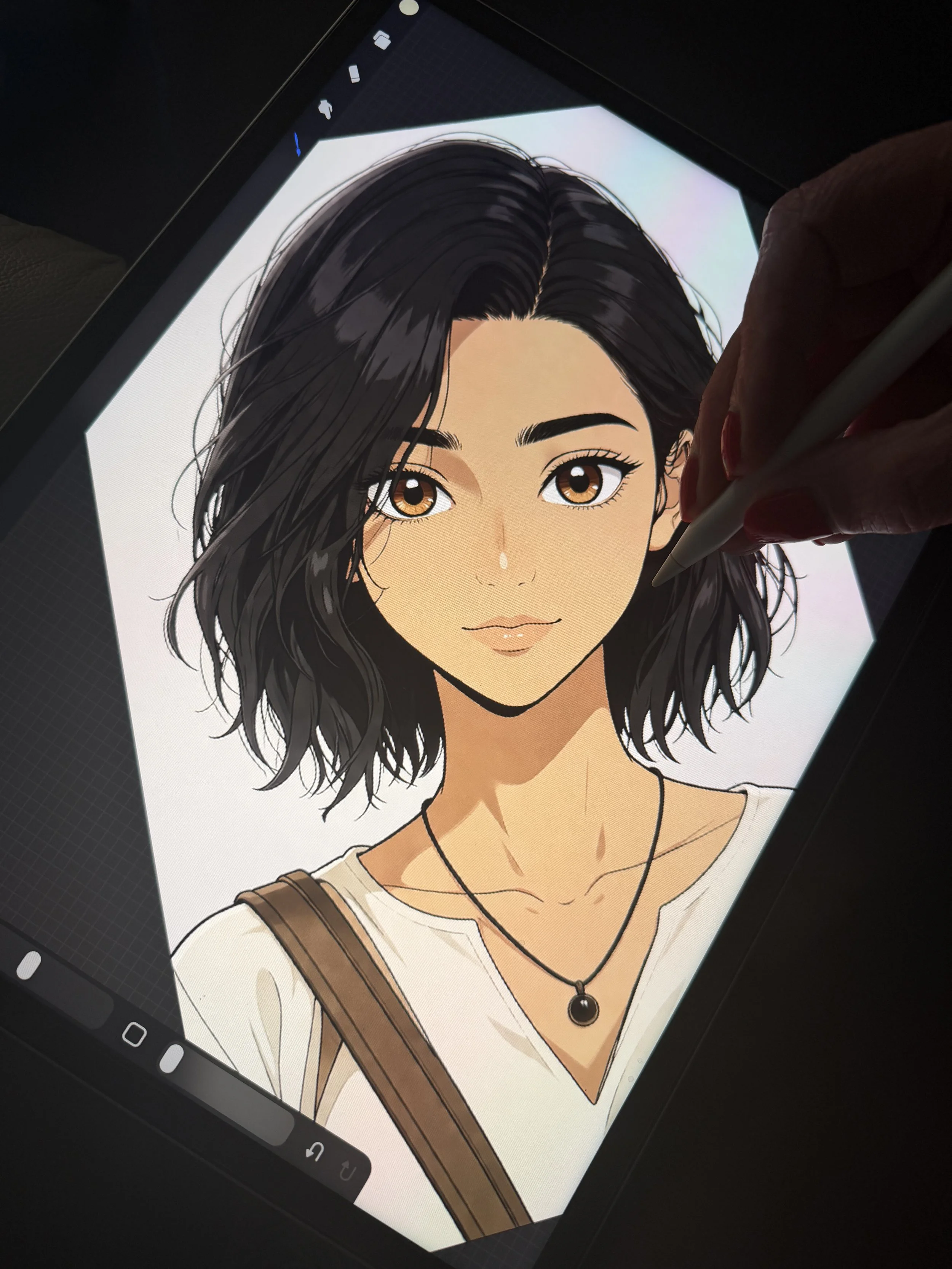
Sekhet in ‘The Mask of Memphis’.
PureRef has become indispensable for organising the enormous collection of visual references needed to keep Ancient Egypt feeling authentic. From architecture and clothing to jewellery, landscapes, colour palettes and historical artefacts, having everything visible in one place makes it much easier to maintain consistency throughout the series.
Once concepts are established, Clip Studio Paint takes over for production work. It's a remarkably capable tool for comics, with excellent support for inking, panel layouts and long-form illustration. It's easy to see why it's become an industry standard for comic and manga creators.
Building While Creating
As I've worked through this process, I've noticed something interesting.
Producing a Webtoon isn't just about drawing.
It's managing hundreds—eventually thousands—of panels. It's tracking recurring characters, maintaining visual consistency, organising reference material, planning episode structure, keeping production notes and remembering countless tiny details that readers never consciously notice but absolutely feel.
The software engineer in me couldn't help but start thinking about better ways to manage that process.
So alongside adapting The Whispering Amulet, I've quietly been working with a local who’s making something new.
Introducing Vctryx
Vctryx is a Webtoon production suite being developed here in Tasmania.
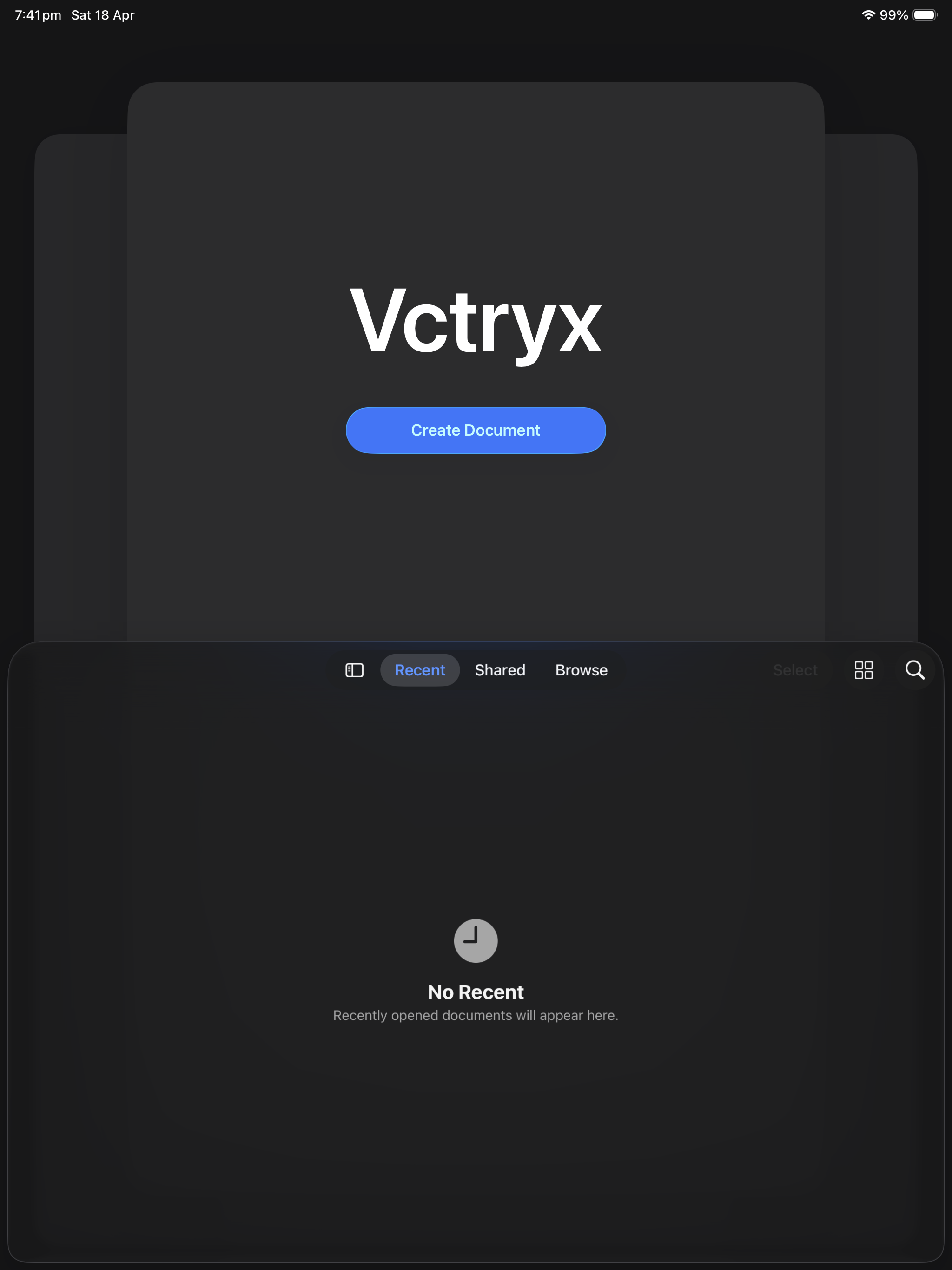
Vctryx home screen
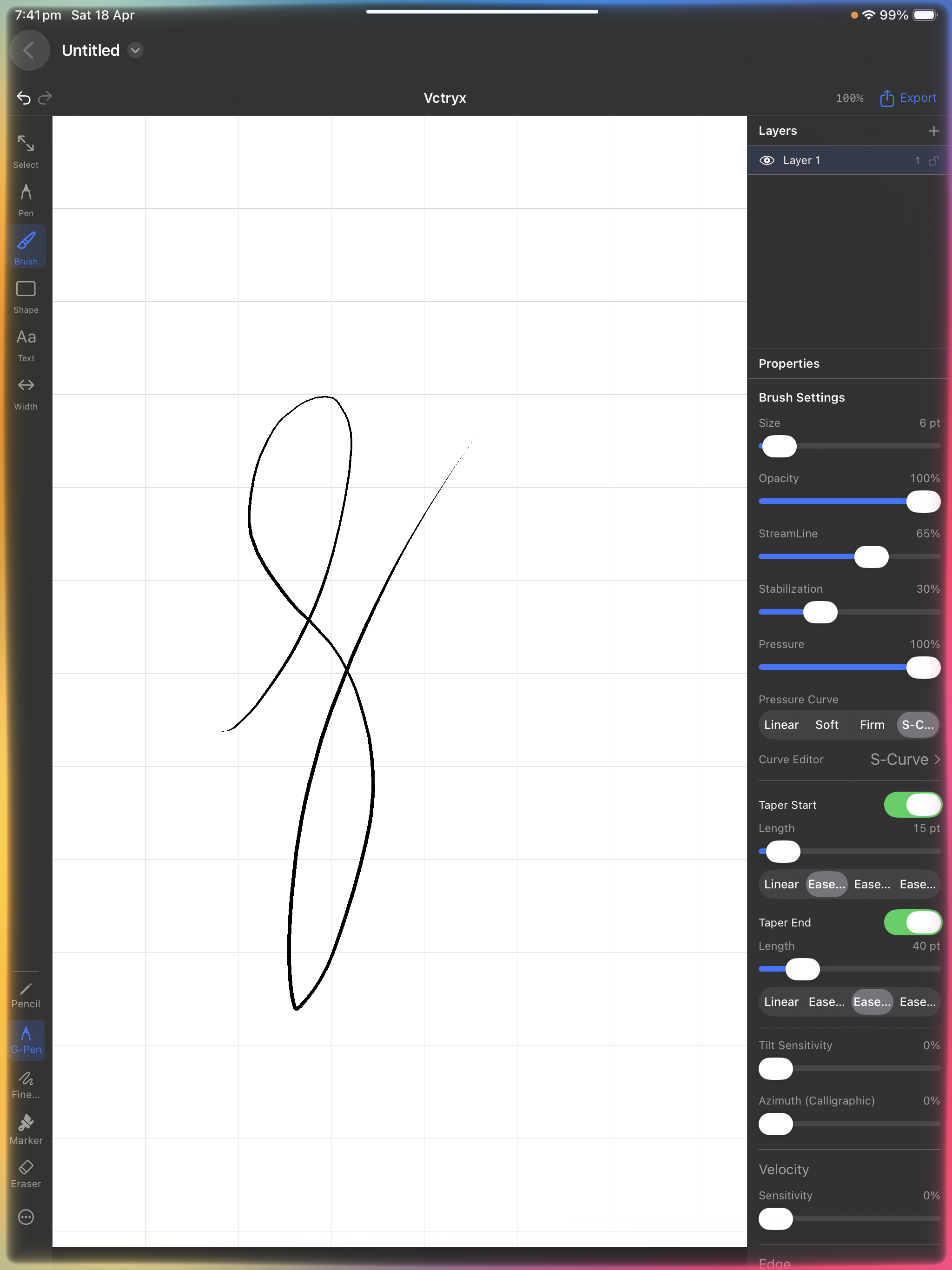
Vector drawing in Vctryx
Rather than replacing illustration software, the goal is to create a companion platform that helps creators organise the entire production pipeline around it. Think character libraries, asset management, episode planning, production tracking, continuity tools, project organisation and workflows designed specifically for long-form vertical storytelling.
Every challenge I encounter while adapting The Whispering Amulet feeds directly back into the design of Vctryx. In many ways, the Webtoon has become the perfect real-world test project.
Instead of designing software based on assumptions, what’s being built are the tools I genuinely wish I had while creating the series.
Looking Ahead
This project has reminded me how interconnected creativity can be.
Writing, illustration, design and software development might seem like very different disciplines, but for me they've always been part of the same conversation. Each one informs the others, and this adaptation has become the place where they finally meet.
Over the coming months you’ll see more of the process here on the website - character designs, environment studies, glimpses into my production workflow, and updates on both the Webtoon and the development of Vctryx.
It's still early days, but watching The Whispering Amulet evolve from a novel into a visual story has been one of the most rewarding creative experiences I've undertaken.
Thank you to everyone who has continued to support my writing. I can't wait to share Sekhet's adventures with you in an entirely new way, one panel at a time.
![First thoughts on ‘The Whispering Amulet’ [Full Article over on Patreon]](https://images.squarespace-cdn.com/content/v1/66e1618f9973231fb19ec437/1730364368249-APGR5Z5J5XE9DW4QKB5L/Screenshot+2024-10-31+at+7.45.47%E2%80%AFpm.png)
First thoughts on ‘The Whispering Amulet’ [Full Article over on Patreon]
By writing The Whispering Amulet, the first book in the Lost Relics Mysteries, I, somewhat inadvertently, created a story that not only transports readers to the enchanting world of ancient Egypt but also highlights the profound impact of family and friendship on young girls' lives. For me, writing this book became an opportunity to showcase how strong relationships can empower girls to overcome challenges and build the resilience to discover their true potential.
By writing The Whispering Amulet, the first book in the Lost Relics Mysteries, I, somewhat inadvertently, created a story that not only transports readers to the enchanting world of ancient Egypt but also highlights the profound impact of family and friendship on young girls' lives. For me, writing this book became an opportunity to showcase how strong relationships can empower girls to overcome challenges and build the resilience to discover their true potential.